
Anthropic Co-Founder Discusses New AI Model Mythos and Its Implications
Jack Clark, co-founder and Head of Public Benefit at Anthropic, confirmed that the company briefed the Trump administration about its new AI model, Mythos.
The Dangerous Mythos Model: A Unique Step in AI Development
Unveiled last week, the Mythos model is deemed too risky for public release, primarily due to its powerful cybersecurity capabilities.
Engagement with Government Amid Ongoing Lawsuit
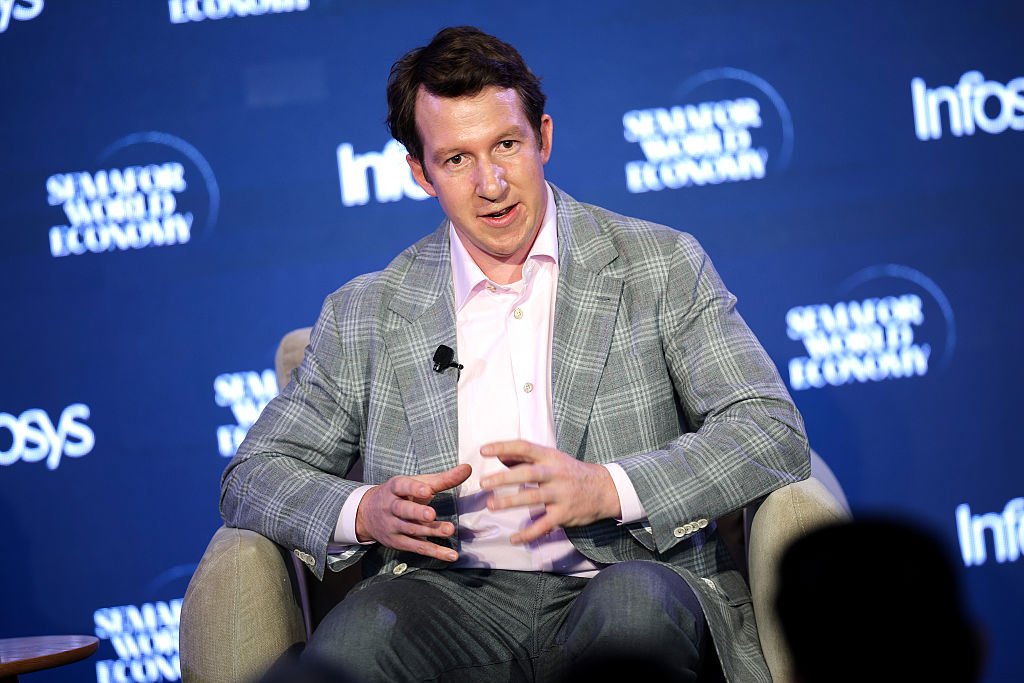
At the recent Semafor World Economy Summit, Clark discussed Anthropic’s ongoing relationship with the U.S. government while navigating a lawsuit against them.
Conflict with the Department of Defense
In March, Anthropic filed a lawsuit against the Trump administration’s Department of Defense after being labeled a supply-chain risk. The disagreement revolved around the military’s access to Anthropic’s AI for potentially controversial uses.
Narrow Contracting Dispute or National Concern?
Clark downplayed the Department’s classification of Anthropic as a supply-chain risk, framing it as a “narrow contracting dispute” that shouldn’t overshadow the company’s commitment to national security.
Collaborating with Government on AI Innovations
“Our position is that the government must be involved in these discussions. We need innovative partnerships between the government and the private sector to address national security and other critical issues,” remarked Clark, confirming ongoing discussions about Mythos and future models.
Trump Officials Encourage Banks to Experiment with Mythos
Following reports, it appears Trump administration officials are pushing major banks like JPMorgan Chase and Goldman Sachs to explore the possibilities of the Mythos model.
Addressing AI’s Societal Impact: Employment and Education
During the interview, Clark also addressed challenges posed by AI, such as potential unemployment and its effects on higher education.
Predictions on Job Market Impact
While Anthropic CEO Dario Amodei has warned that AI could lead to a spike in unemployment reminiscent of the Great Depression, Clark offered a more measured perspective. He noted some early signs of weakness in graduate employment but emphasized that Anthropic is prepared for potential job market changes.
Guidance for Future College Majors in the Age of AI
When asked about the best college majors for students in light of AI developments, Clark suggested a focus on fields that encourage interdisciplinary synthesis and analytical thinking.
The Importance of Critical Thinking and Interdisciplinary Knowledge
“AI provides access to vast amounts of expertise across different fields. The key lies in knowing the right questions to ask and understanding how to fuse insights from diverse disciplines,” Clark explained.
Here are five FAQs based on the confirmation that an Anthropic co-founder briefed the Trump administration on Mythos:
FAQ 1: What is Mythos?
Answer: Mythos is a project developed by Anthropic, focusing on advanced artificial intelligence systems. Its goals include improving AI safety and reliability to help guide responsible AI development.
FAQ 2: Why did Anthropic brief the Trump administration on Mythos?
Answer: Anthropic briefed the Trump administration to provide insights on the implications of advanced AI technologies. The goal was to foster discussions on AI safety, governance, and regulatory measures.
FAQ 3: What are the potential benefits of Mythos?
Answer: Mythos aims to enhance AI systems’ transparency, accountability, and usability, potentially leading to more ethical and effective applications of AI in various sectors, including healthcare, finance, and public safety.
FAQ 4: How does this briefing impact public perception of AI?
Answer: The briefing underscores the importance of government engagement in AI policy discussions, potentially improving public awareness and encouraging informed debate on the ethical implications of AI technologies.
FAQ 5: Are there any outcomes expected from the briefing?
Answer: While specific outcomes may vary, the briefing is expected to promote collaboration between tech companies and policymakers, fostering frameworks that encourage responsible AI innovation and addressing potential risks associated with AI deployment.
No comment yet, add your voice below!