
<div>
    <h2>Physical Intelligence's Revolutionary AI Model π0.7 Transforms Robotics</h2>

    <p id="speakable-summary" class="wp-block-paragraph">Physical Intelligence, a San Francisco-based robotics startup, recently released groundbreaking research showcasing their innovative model, π0.7. This AI can direct robots to perform untrained tasks, surprising even its creators.</p>

    <h3>A Leap Towards General-Purpose Robot Intelligence</h3>

    <p class="wp-block-paragraph">The new model, π0.7, signifies an important advancement in achieving a general-purpose robotic brain. This technology aims to enable robots to tackle unfamiliar tasks through straightforward verbal instructions, marking a potential shift in robotic capabilities akin to the breakthroughs seen with large language models.</p>

    <h3>1. Compositional Generalization: The Heart of π0.7</h3>

    <p class="wp-block-paragraph">At the core of this research lies the concept of compositional generalization—the ability to merge skills learned in diverse contexts for problem-solving. Unlike previous methods focused on rote memorization, π0.7 breaks this mold, offering a more adaptable approach to robotic learning.</p>

    <h3>2. Innovative Demonstrations: Real-World Applications</h3>

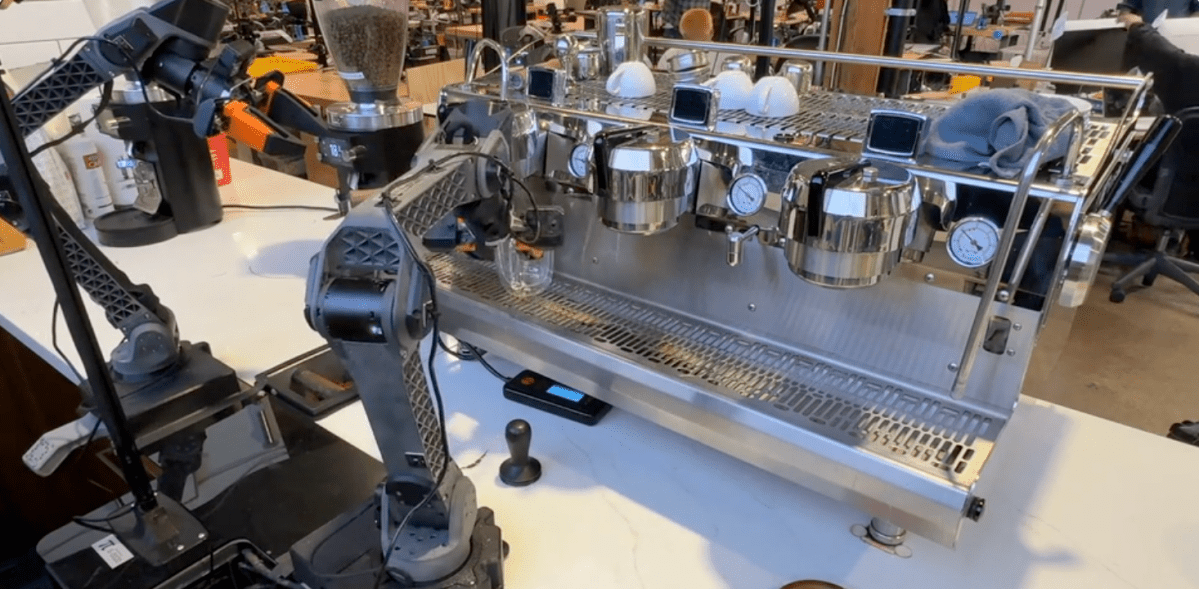
    <p class="wp-block-paragraph">The highlights of the research include an air fryer test where π0.7 utilized minimal prior data, combining fragmented knowledge to operate the appliance effectively. This showcases the model's capability to synthesize limited training data with preexisting web knowledge.</p>

    <h3>3. The Crucial Role of Human Coaching</h3>

    <p class="wp-block-paragraph">A significant finding is the model's ability to learn through human prompt engineering. Initial attempts at task execution displayed a mere 5% success rate, but after refining instructions, the success rate soared to 95%, emphasizing the interactive nature of this AI.</p>

    <h3>4. Limitations and Future Directions</h3>

    <p class="wp-block-paragraph">While π0.7 demonstrates remarkable performance, it's not yet capable of executing complex tasks autonomously. Current interactions require step-by-step guidance, indicating that further development is essential.</p>

    <h3>5. The Challenge of Benchmarking Robotics</h3>

    <p class="wp-block-paragraph">The team faces challenges in validating their work against standardized benchmarks, revealing that current evaluations are based on comparisons with previous specialist models. Despite these limitations, π0.7 has shown compatibility across various complex tasks.</p>

    <h3>6. The Element of Surprise in AI Development</h3>

    <p class="wp-block-paragraph">One noteworthy aspect of this research is the unexpected results, even for the creators who understand the training data intimately. This unpredictability signals potential growth in AI capabilities that defy prior expectations.</p>

    <h3>7. Bridging the Gap: Robotics Versus Language Models</h3>

    <p class="wp-block-paragraph">Critics may highlight the disparity between language models, which have vast internet resources, and robots like π0.7. However, proponents argue that generalization in robotics, even if less dramatic, holds significant practical value.</p>

    <h3>8. Cautious Optimism: What's Next for Physical Intelligence?</h3>

    <p class="wp-block-paragraph">While the researchers express optimism for future advancements, they refrain from predicting commercial timelines. The focus remains on ensuring the technology’s robustness before deployment.</p>

    <h3>9. Financial Backing and Future Prospects</h3>

    <p class="wp-block-paragraph">Having raised over $1 billion, Physical Intelligence is valued at $5.6 billion, demonstrating investor confidence rooted in its innovative potential, particularly by notable figures in Silicon Valley.</p>

    <p class="wp-block-paragraph">The company is actively exploring funding opportunities that could elevate its valuation to $11 billion, indicating substantial interest in the forward trajectory of robotics and AI technology.</p>
</div>
This rewrite maintains the essential details while enhancing SEO through strategic headings and clear, engaging language.
Here are five FAQs about Physical Intelligence and its innovative robot brain technology:
FAQ 1: What is Physical Intelligence?
Answer: Physical Intelligence is a cutting-edge robotics startup specializing in developing advanced robot brains that enable machines to learn and adapt to new tasks without prior instruction, effectively mimicking human-like cognitive abilities.
FAQ 2: How does the new robot brain learn tasks it wasn’t taught?
Answer: The robot brain employs a combination of machine learning algorithms and sensor data to observe and analyze its environment. It utilizes this information to make inferences and determine how to perform tasks it hasn’t been explicitly programmed to execute.
FAQ 3: What types of tasks can the robot brain handle?
Answer: The robot brain is designed to tackle a wide range of tasks, from simple household chores to complex industrial operations. Its ability to learn on the fly means it can adapt to new situations, making it versatile across various applications.
FAQ 4: What are the potential applications of this technology?
Answer: Potential applications for the robot brain include home automation, industrial manufacturing, healthcare assistance, agricultural tasks, and logistics. Its adaptability makes it suitable for any environment where tasks may vary or change frequently.
FAQ 5: How can I learn more or get involved with Physical Intelligence?
Answer: To learn more about Physical Intelligence, you can visit their official website, follow them on social media for updates, or subscribe to their newsletter for news on product launches, partnerships, and investment opportunities.
Related posts:
- Inside Physical Intelligence: The Startup Creating Silicon Valley’s Most Exciting Robot Brains
- Ex-Googlers’ AI Startup OpenArt Now Generates ‘Brain Rot’ Videos with a Single Click
- Skana Robotics Enhances Communication Between Underwater Robot Fleets
- Insights from Pindrop’s 2024 Voice Intelligence and Security Report: Implications of Deepfakes and AI
No comment yet, add your voice below!