
Inside the Innovative World of Physical Intelligence in San Francisco
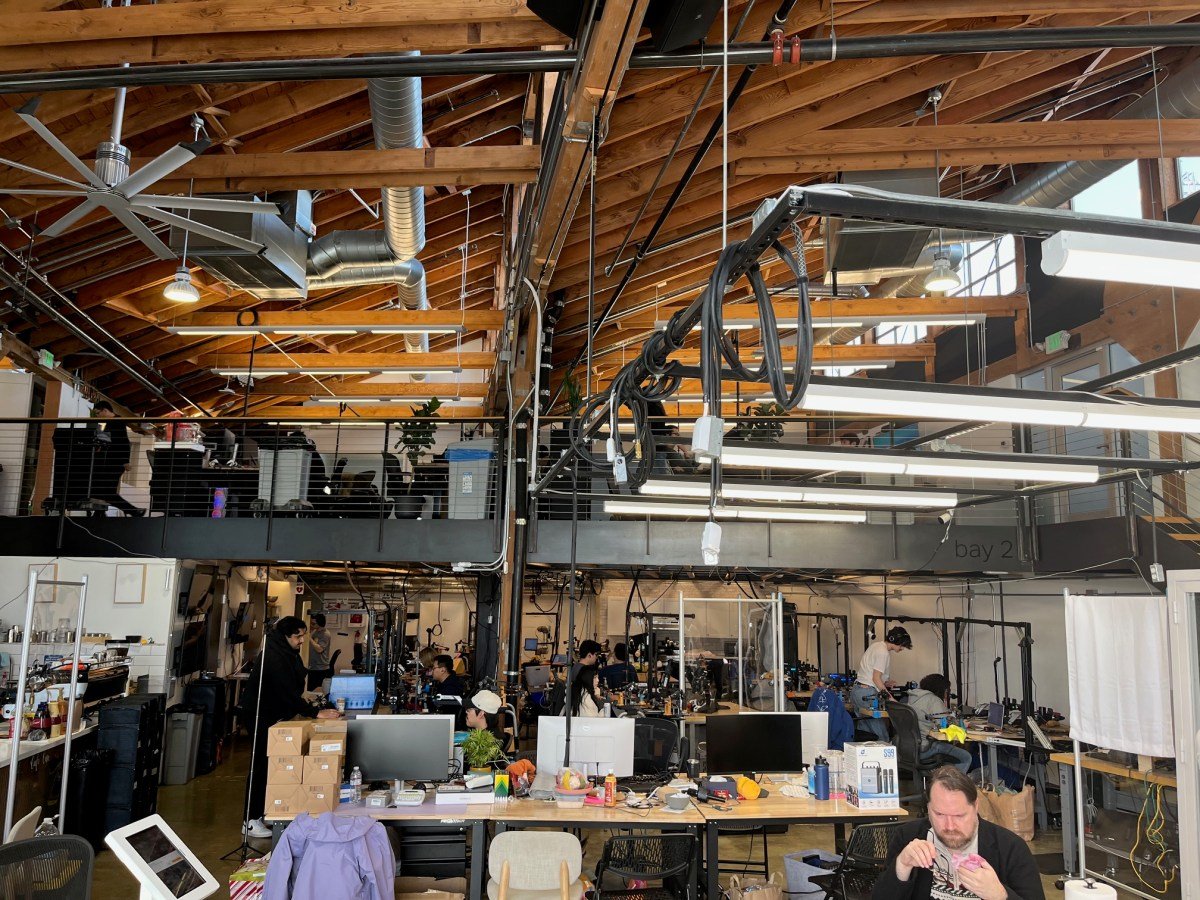
Physical Intelligence’s headquarters in San Francisco is marked by a subtle pi symbol, hinting at the groundbreaking activities inside. As I step through the door, I’m engulfed in a dynamic hub of robotic experimentation without the usual reception desk or flashy logos.
A Unique Workspace: The Concrete Playground of Robotics
The interior resembles a vast concrete box, softened by an array of long blonde-wood tables. Some tables serve lunch, adorned with Girl Scout cookies, jars of Vegemite, and condiment baskets. In contrast, others are covered with monitors, spare robotics parts, and robotic arms engaged in various tasks.
Robots in Action: A Humorous Glimpse into Automation
During my visit, I observe one robotic arm struggling to fold black pants and another working diligently to turn a shirt inside out. Meanwhile, a third arm successfully peels a zucchini, demonstrating a step toward mastering domestic tasks.
ChatGPT for Robots: Sergey Levine Explains the Vision
Sergey Levine, co-founder of Physical Intelligence and UC Berkeley associate professor, likens their technology to “ChatGPT, but for robots.” He explains that data collected here and other locations trains general-purpose robotic foundation models, which are continuously evaluated at this site.
Testing the Limits: Learning Through Real-World Applications
The company’s approach involves setting up robotic stations in various environments to gather valuable data. They even have a sophisticated espresso machine on-site—not for coffee breaks, but for robots to practice barista skills.
Affordable Hardware: An Unconventional Approach
The hardware, which includes robotic arms priced at around $3,500, may appear unremarkable but is effective. Levine notes that quality intelligence can compensate for less-than-perfect hardware, embodying a philosophy that good execution trumps extraordinary tools.
Meet the Visionary: Lachy Groom’s Journey in Robotics
As I speak with Lachy Groom, co-founder and former Stripe employee, he shares insights on his unplanned pivot from investing to full-time venture with Physical Intelligence. His keen interest in robotics was reignited when he learned about groundbreaking research from Levine and Chelsea Finn.
Securing Funds: A Look at Investment Strategies
The young company has raised over $1 billion, and Groom’s spending strategy prioritizes computing power without a definitive timeline for commercialization. His transparency with investors sets Physical Intelligence apart in the funding arena.
Innovative Strategy: Cross-Embodiment Learning
Groom and co-founder Quan Vuong focus on cross-embodiment learning, which enhances the efficiency of data collection across different robotic platforms. This could revolutionize the robots’ adaptability in various industries.
Competition in Robotic Intelligence: The Rise of Skild AI
Physical Intelligence is among several companies striving for general-purpose robotic intelligence. Competing startup Skild AI recently raised $1.4 billion with a commercially deployed approach, highlighting a growing race in automation technology.
Philosophical Divide: The Future of Robotics
The approaches of Physical Intelligence and Skild AI represent a significant philosophical divide in robotics: one favors in-depth research, while the other values immediate deployment to generate data.
Clarity of Purpose: Groom’s Vision for the Future
Groom discusses the company’s clear objectives, emphasizing a researcher-driven approach rather than external market pressures. Their vision has led to further advancements in a short time frame.
Overcoming Challenges: The Reality of Hardware Development
Despite ambitions for growth, Groom acknowledges the challenges of hardware development—the complexities, delays, and safety considerations make it more intricate than purely software-based companies.
The Future of Automation: Questions and Considerations
As robotic experiments unfold before me, I reflect on pressing questions about the practicality of such automation in everyday life and the overarching vision of the company as it navigates through uncertainty.
The Confidence of Silicon Valley: Betting on Visionaries
Groom remains undeterred by doubts about the feasibility of their mission, buoyed by the support of seasoned researchers and Silicon Valley’s faith in ambitious projects—where past failures contribute to future successes.
Sure! Here are five FAQs with answers regarding Physical Intelligence, the startup known for developing advanced robot brains in Silicon Valley.
FAQs
1. What is Physical Intelligence?
Answer: Physical Intelligence is a startup based in Silicon Valley focused on creating advanced robotic systems with sophisticated artificial intelligence capabilities. Their goal is to enhance the physical abilities of robots, enabling them to perform complex tasks autonomously.
2. What sets Physical Intelligence apart from other robotics companies?
Answer: Physical Intelligence stands out due to its unique approach to integrating AI with physical movement, giving robots enhanced dexterity and adaptability. Their innovative algorithms allow robots to learn and respond to their environments in real-time, setting a new standard in robotic intelligence.
3. What types of applications are Physical Intelligence robots designed for?
Answer: The robots developed by Physical Intelligence are versatile and can be applied in various fields, including manufacturing, logistics, healthcare, and even domestic settings. They are designed to perform tasks that require precision, agility, and the ability to navigate dynamic environments.
4. How does Physical Intelligence ensure the safety of their robots?
Answer: Safety is a top priority for Physical Intelligence. They implement rigorous testing protocols, develop fail-safes, and utilize advanced sensors to ensure their robots can operate safely alongside humans. Continuous updates and improvements are made based on real-world feedback.
5. How can businesses partner with Physical Intelligence?
Answer: Businesses interested in partnering with Physical Intelligence can reach out through their website, where they provide information on collaboration opportunities. They actively seek partnerships to integrate their robotic solutions into various industries, enhancing operational efficiency and innovation.
Related posts:
- Why is an Amazon-Backed AI Startup Creating Orson Welles Fan Fiction?
- Co-Founders of Eightfold Secure $35M for Viven, an AI Startup Creating Digital Twins for Accessing Unavailable Co-Workers
- Insights from Pindrop’s 2024 Voice Intelligence and Security Report: Implications of Deepfakes and AI
- Transforming Agriculture: The Impact of Generative AI on Harvesting Intelligence.
No comment yet, add your voice below!