
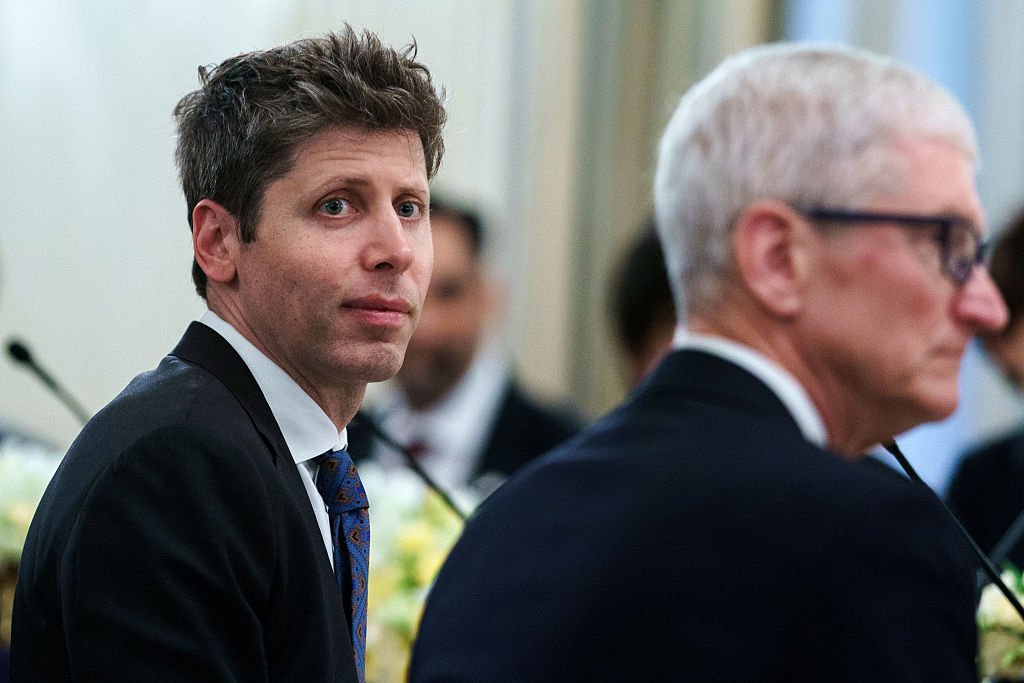
Apple Files Lawsuit Against OpenAI Over Trade Secret Theft
Apple has initiated a lawsuit against OpenAI, alleging theft of trade secrets and breach of contract.
Allegations of Misconduct by OpenAI Leadership
The lawsuit claims that OpenAI’s senior leadership, including Chief Hardware Officer Tang Tan, orchestrated a pattern of misconduct involving former Apple employees.
Detailed Accusations in Court
Filed in the U.S. District Court for the Northern District of California, the lawsuit accuses Tan of using Apple’s confidential project code names during recruitment, instructing candidates to bring Apple hardware to interviews, and coaching former employees on bypassing security protocols, among other allegations.
Background of Tang Tan
Before his tenure at OpenAI, Tan spent 24 years at Apple, serving as the VP of product design for notable devices like the iPhone and Apple Watch.
OpenAI’s Potential Hardware Ambitions
These accusations arise as OpenAI reportedly works on its first hardware product, potentially aimed at competing with the iPhone. Analyst Ming-Chi Kuo hinted at a smartphone-like device utilizing AI agents instead of traditional apps, which could pose a significant challenge to Apple’s hardware dominance.
Notable Figures in the Case
The lawsuit also mentions Chang Liu, a former Apple senior systems electrical engineer, who allegedly failed to return an Apple-issued laptop and downloaded confidential documents before joining OpenAI in 2026.
Claims of Data Theft and Sharing
Apple asserts that Liu shared confidential information with other job applicants at OpenAI, including guidance on interview preparation based on Apple’s proprietary details.
Previous Attempts to Address Concerns
In February, Apple reached out to OpenAI with its concerns but reportedly received no response.
Ongoing Investigation and Legal Action
Apple’s investigation indicates that OpenAI and its partners may be misusing Apple’s confidential information to advance their own hardware projects. The filing mentions a proprietary metal finishing technique allegedly used by OpenAI after misleading a partner about authorization.
Seeking Legal Remedies
Apple is requesting the court to prevent OpenAI from using its trade secrets, compel the return of confidential materials, and maintain relevant evidence related to the case.
Apple’s Position on Intellectual Property Protection
In a statement, Apple emphasized its commitment to protecting intellectual property, citing significant evidence of wrongdoing linked to OpenAI employees. “We will always defend our teams’ hard work and innovations,” Apple stated.
OpenAI’s Response Pending
OpenAI has been approached for comment on the lawsuit.
The complete filing is available here or can be viewed below.
This story is developing and will be updated, and originally published at 1:32pm PT.
When you purchase through links in our articles, we may earn a small commission. This doesn’t affect our editorial independence.
Sure! Here are five FAQs regarding Apple’s lawsuit against OpenAI over alleged trade secret theft:
FAQ 1: What is the lawsuit about?
Answer: Apple has filed a lawsuit against OpenAI, alleging that the company misappropriated trade secrets related to its technology and business practices. The lawsuit claims that OpenAI used confidential information to gain a competitive advantage.
FAQ 2: What specific trade secrets are being claimed?
Answer: While the specific details of the trade secrets have not been publicly disclosed, the lawsuit suggests they involve proprietary algorithms, data processing techniques, and information about product development that are crucial to Apple’s competitive strategy.
FAQ 3: How has OpenAI responded to the allegations?
Answer: OpenAI has denied the allegations, stating that their development processes and technologies are independent and do not rely on proprietary information from Apple. They assert their commitment to ethical practices and innovation.
FAQ 4: What could the implications be for both companies?
Answer: If Apple succeeds in its lawsuit, it could lead to significant financial penalties for OpenAI and restrictions on its technology use. Conversely, a ruling in favor of OpenAI could bolster its reputation and validate its operational practices.
FAQ 5: How might this affect the tech industry as a whole?
Answer: This lawsuit could set a precedent for how trade secrets are handled within the tech industry, particularly in AI development. It may prompt companies to reevaluate their security practices and the sharing of information, potentially leading to more stringent legal measures in technology collaborations.
Related posts:
- Stalking Victim Files Lawsuit Against OpenAI, Alleges ChatGPT Enabled Abuser’s Delusions and Disregarded Her Warnings
- Florida Files Groundbreaking Lawsuit Against OpenAI and Sam Altman Over Violent Incidents
- Chicago Tribune Files Lawsuit Against Perplexity | TechCrunch
- Google Files Lawsuit Against Chinese Cybercrime Operation That Used AI to Scam ‘Hundreds of Thousands of Victims’
No comment yet, add your voice below!