
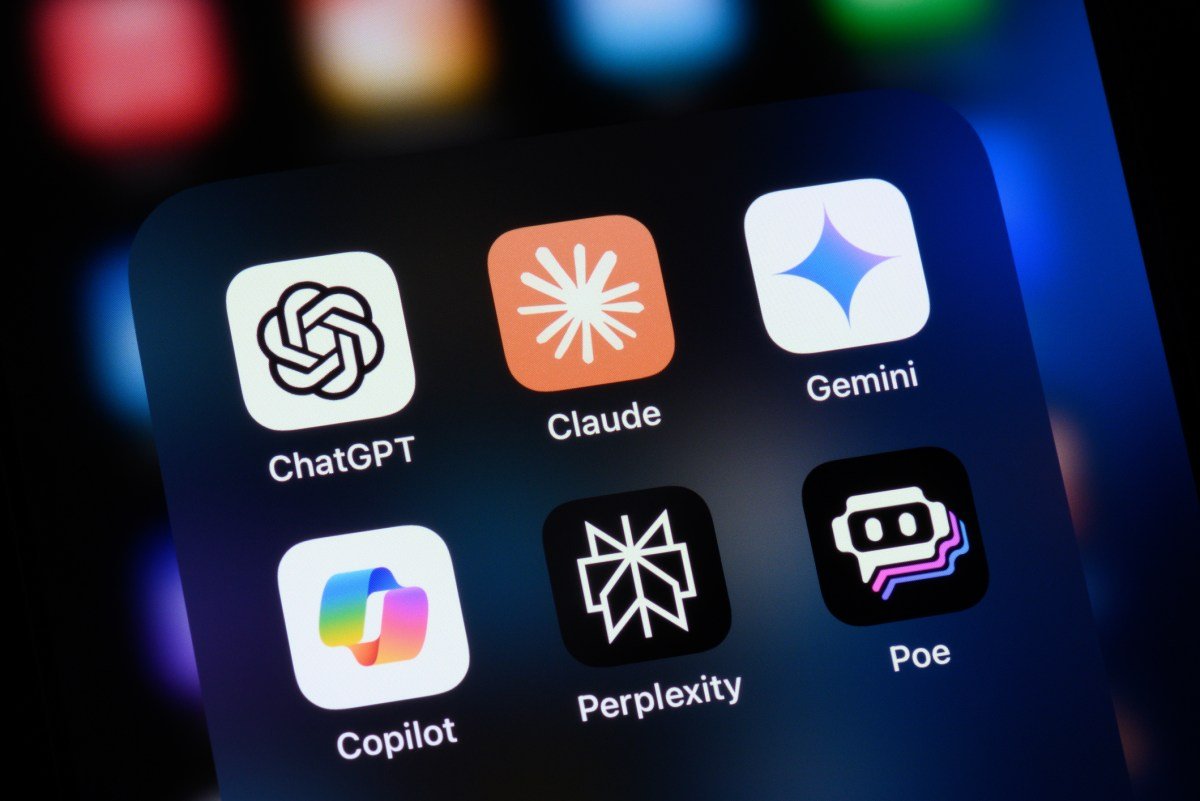
A Year in AI: Major Developments and Milestones
The AI industry is vibrant and ever-changing, marked by significant events that shape our understanding of technology. From high-profile acquisitions to debates on ethical AI use, the landscape is complex. Let’s take a closer look at the pivotal moments that have defined the year in AI thus far.
Anthropic’s Standoff with the Pentagon: A Battle Over Ethics
In February, a contentious negotiation unfolded between Anthropic’s CEO Dario Amodei and Defense Secretary Pete Hegseth over how the U.S. military could utilize Anthropic’s AI technologies.
Anthropic has firmly opposed its AI being used for mass surveillance or autonomous weaponry, while the Pentagon insists on unrestricted access for lawful military applications. Amodei was clear about the potential risks: “AI can undermine, rather than defend, democratic values.”
As the deadline to finalize the contract approached, Google and OpenAI employees voiced support for Anthropic’s position through an open letter. However, the deadline passed without agreement, leading to an unprecedented backlash from the Pentagon, which labeled Anthropic a “supply chain risk.” Anthropic responded by pursuing legal action against this designation.
In a surprising twist, OpenAI soon secured a deal with the Pentagon, allowing its AI models to be used in classified scenarios, raising eyebrows throughout the tech community. Public reaction was swift, with significant uninstall rates for ChatGPT, while many questioned the ethics of OpenAI’s decisions.
OpenClaw: The Rise of Vibe-Coded AI
February also brought OpenClaw into the spotlight, a vibe-coded AI assistant app that gained immense popularity and sparked numerous spin-off companies. Its integration with popular messaging apps allows users to interact with AI models seamlessly.
However, concerns around privacy and security surfaced quickly. The app requires extensive access to users’ credentials, raising alarms about potential hacks and prompt-injection attacks.
Despite these risks, the technology garnered interest from OpenAI, leading to an acquihire. Other products emerging from the OpenClaw ecosystem, like the AI agent social network Moltbook, attracted attention for their unconventional approaches and viral moments, although issues of security and authenticity were soon uncovered.
Meeting AI’s Demand: Chip Shortages and Data Center Expansion
The growing needs of the AI industry are causing significant supply chain challenges, particularly in memory chip availability. This shortage is beginning to affect consumer prices across various tech categories, including smartphones and laptops.
Tech giants like Google, Amazon, Meta, and Microsoft are projected to spend a staggering $650 billion on data centers this year, highlighting the industry’s escalating demands. However, this expansion comes at a cost, with potential environmental and health ramifications for local communities.
Amid this turbulence, Nvidia’s shifting relationship with AI companies reveals deeper layers of the industry’s intricate interdependencies. Despite investing substantially in OpenAI, Nvidia’s CEO announced a cessation of investments in both OpenAI and Anthropic, raising questions about the future of these partnerships.
Sure! Here are five FAQs based on some major AI stories of the year:
FAQ 1: What are the most significant advancements in AI technology this year?
Answer: This year has seen breakthroughs in natural language processing and computer vision, particularly with improved large language models like GPT-4 and advancements in image generation technology. These innovations have allowed for more realistic interactions and applications across various industries, from marketing to healthcare.
FAQ 2: How is AI impacting job markets in 2023?
Answer: AI is transforming job markets by automating routine tasks and enhancing productivity in numerous sectors. While some jobs may be displaced, new roles focusing on AI management, maintenance, and ethics are emerging. Many industries are adapting their workforce through upskilling and training programs.
FAQ 3: What ethical concerns have arisen regarding AI this year?
Answer: Ethical concerns include data privacy, bias in AI algorithms, and the potential for misuse in areas like surveillance and misinformation. Discussions around AI governance and accountability have intensified, prompting calls for clearer regulations and ethical guidelines.
FAQ 4: How are companies integrating AI into their operations?
Answer: Companies are leveraging AI for various applications such as customer service through chatbots, predictive analytics for market forecasting, and personalized marketing strategies. Many organizations are adopting AI to enhance decision-making processes, reduce costs, and improve overall efficiency.
FAQ 5: What role does AI play in healthcare advancements in 2023?
Answer: AI is revolutionizing healthcare by improving diagnostics, personalizing treatment plans, and streamlining administrative tasks. Innovations include AI-driven diagnostic tools that analyze medical images, predictive modeling for patient outcomes, and chatbots that assist in patient engagement and triage processes.
No comment yet, add your voice below!