
The Turbulent Birth of OpenAI’s For-Profit Shift: A Backstage Look at Controversial Decisions
In late August 2017, pivotal leaders at OpenAI, then a modest nonprofit research lab, convened to strategize the establishment of a for-profit entity aimed at commercializing their groundbreaking technology and securing the necessary funds to achieve Artificial General Intelligence (AGI).
Elon Musk’s Control Demands Ignite Tensions
Elon Musk, keen on asserting full control of the company, had recently gifted his co-founders Tesla Model 3 cars—a gesture seen by CTO Greg Brockman as an attempt to curry favor amid competing visions for OpenAI’s future. Adding a personal touch, Ilya Sutskever, OpenAI’s head of research, commissioned a painting of a Tesla to present to Musk during the meeting.
Disagreement Escalates into Confrontation
The meeting took a sharp turn when Musk’s demand for control was rejected. Brockman recounted that Musk became visibly angry, sitting in silence for several minutes. Eventually, Musk stood up, saying, “I decline,” before abruptly leaving with the painting in hand. He returned briefly to ask, “When will you be departing OpenAI?”
The Aftermath: Musk’s Withdrawal
Neither Brockman nor Sutskever pledged allegiance to Musk’s vision, leading him to halt his regular contributions to the company’s budget. Within six months, Musk resigned from the board but continued to fund their shared office space until 2020.
Unfolding Legal Battles and Scrutiny
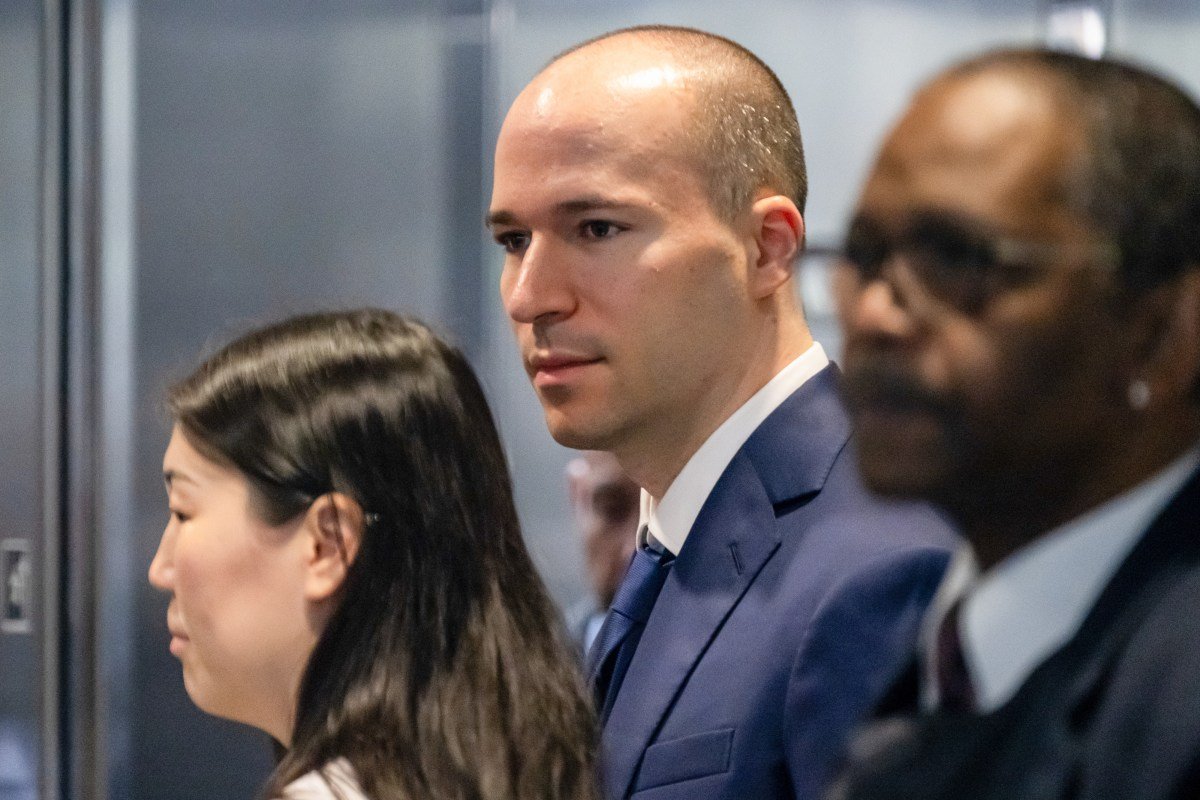
As the legal battle over OpenAI’s future unfolds, attention is drawn to the contentious discussions of 2017, which laid the groundwork for Musk’s lawsuit against his former co-founders. Thus far, Sam Altman has remained silent, while Brockman’s two-day testimony has provided a rare glimpse into the challenges of a 30-year-old tech executive caught in a power struggle with Musk.
Personal Reflections Amidst Public Scrutiny
“It’s very painful,” Brockman remarked regarding the public nature of his journal entries, which he described as “deeply personal writings.” However, he asserted, “there’s nothing in there I’m ashamed of.”
Text Messages Reveal the Tension
Insight into Musk’s state of mind was captured in a threatening text sent to Brockman days before the trial: “By the end of this week, you and Sam will be the most hated men in America. If you insist, so it will be.”
The DOTA II Incident: A Turning Point
The breaking point occurred when an OpenAI algorithm outplayed the world champion in the game DOTA II. This success revealed that computing power was crucial for developing powerful AI tools, prompting the discussion of a for-profit subsidiary. Musk’s call for absolute control clashed with the founders’ vision of equal shares and potential cash investments.
Fragmentation of Partnership
When the founders resisted Musk’s desire for control, their collaboration deteriorated. Brockman contended that it was inappropriate for one person to wield absolute control over OpenAI, leading him to contemplate Musk’s exit from the board altogether.
Considering Ethical Implications
In Brockman’s journal, he reflected, “It’d be wrong to steal the non-profit from him… that’d be pretty morally bankrupt.” Musk’s lawyers have seized upon this comment, yet the context was about navigating Musk’s possible removal from the board—a move that never materialized.
Brockman’s Reflections on Leadership and Wealth
Brockman pondered, “Is he the ‘glorious leader’ that I would pick?” his thoughts indicating a desire to ensure the company’s success beyond Musk’s leadership. Despite his current valuation of nearly $30 billion in the company, Musk’s team questioned his commitment to OpenAI’s mission.
The Legacy of OpenAI: From Nonprofit to Billion-Dollar Valuation
OpenAI later transitioned to a for-profit model, securing $1 billion from Microsoft and raising an additional $13 billion over the next four years, further solidifying its status as a leader in AI innovation. Ironically, this success compounded Musk’s suspicions that he had been outmaneuvered by Altman and Brockman, leading to his 2024 lawsuit.
The trial is expected to continue into next week, as OpenAI’s narrative unfolds further.
When you purchase through links in our articles, we may earn a small commission. This doesn’t affect our editorial independence.
Here are five FAQs based on how Elon Musk left OpenAI, as explained by Greg Brockman.
FAQ 1: Why did Elon Musk leave OpenAI?
Answer: Elon Musk left OpenAI primarily due to differing visions for the organization’s direction. He was concerned about the potential risks of artificial intelligence, and his departure allowed OpenAI to focus on its mission without conflicting viewpoints.
FAQ 2: What were Elon Musk’s concerns regarding AI development at OpenAI?
Answer: Musk expressed concerns about the safety and ethical implications of advanced AI technologies. He worried that without strict safety protocols and transparency, AI could pose significant risks to humanity.
FAQ 3: How did Greg Brockman describe Musk’s impact on OpenAI?
Answer: Greg Brockman noted that Elon Musk played a crucial role in the initial funding and vision of OpenAI. His passion for ensuring AI benefits humanity shaped early discussions and actions within the organization.
FAQ 4: What happened after Musk’s departure from OpenAI?
Answer: After Musk’s departure, OpenAI continued to evolve its research and focus on developing safe and beneficial AI. The organization refined its goals, emphasizing safety and collaboration with other stakeholders.
FAQ 5: Is there any possibility of collaboration between Musk and OpenAI in the future?
Answer: While Greg Brockman did not speculate on future collaborations, he mentioned that the door is always open for discussions. Evolving perspectives on AI might lead to renewed partnerships at some point.
No comment yet, add your voice below!